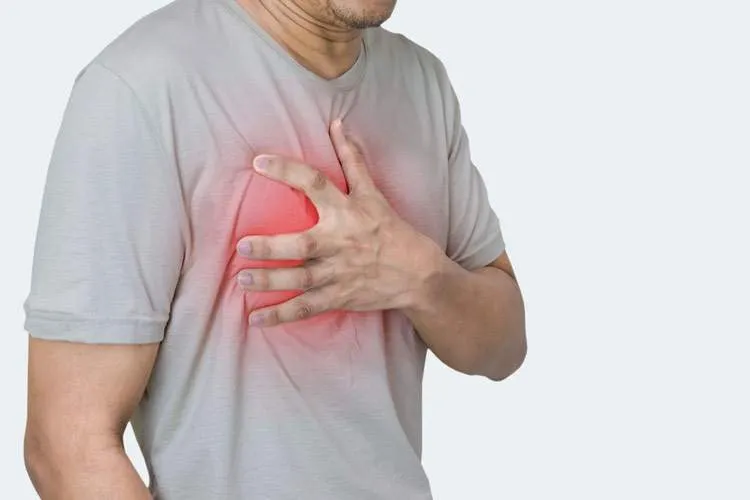
An aortic rupture can occur suddenly and without prior warning and can endanger a person's life in a short time. Doctors say severe, sudden pain in the chest or back is one of the most important signs of this rare but deadly condition, and recognizing risk factors and seeking immediate treatment is vital.
Public awareness about vascular diseases is not very high. In a recent survey by the Society for Vascular Surgery (SVS), nearly one-third of Americans, about 29 percent, said they had not heard the name of any of the most common vascular diseases. Although aortic rupture is rare, doctors consider it one of the most dangerous cardiovascular emergencies; a condition in which the speed of diagnosis and treatment is directly related to the patient’s chance of survival.
What happens during an aortic rupture?
The aorta is the body’s largest artery and carries oxygen-rich blood from the heart to other parts of the body. Dr. William Schutz, vice president of the Society for Vascular Surgery and a vascular surgeon at Texas Vascular Associates, explains that the aorta ruptures when the inner layer of the aorta tears and blood finds its way between the layers of the artery wall.
Schutz says: “This condition either disrupts blood flow to the heart and vital organs or leads to aortic rupture and severe internal bleeding, and if not treated immediately, it will quickly be fatal.”
When the wall of the aorta weakens, part of it bulges outward and swells; a condition called an aortic aneurysm. On the other hand, a tear in the inner layer of the aortic wall is called an aortic dissection. Both are serious forms of aortic disease and can have fatal complications.
According to the University of Chicago Aortic Disease Center (UCCAD), nearly 40 percent of people who suffer an aortic rupture die almost immediately. Also, the risk of death increases by up to 4 percent for every hour this condition goes untreated.
How common is aortic rupture?
Brittany Anas writes that determining the exact number of aortic rupture cases each year is not easy, because some people die before reaching the hospital. However, Schutz says available data indicate that about 13,000 people die annually in the United States from this condition. He says: “Although aortic rupture is rare, when it happens we are facing a life-threatening medical emergency.”
According to Dr. Manesh R. Patel, volunteer chair of the American Heart Association for 2026 to 2027, this condition is more common in men than women and its incidence is estimated between five to 30 cases per one million people. Patel, who is chair of cardiovascular medicine and vice president of cardiovascular services at Duke Health, says aortic rupture is most often seen in adults aged 50 to 70.
Warning signs of aortic rupture
One reason aortic rupture is so dangerous is that its symptoms may be mistaken for other medical emergencies. According to Schutz, the most common symptom is severe, sudden pain in the chest or back. Abdominal pain, fainting or passing out, leg weakness, and even paralysis of the lower limbs are other possible symptoms.
He says: “The most important issue with this condition is recognizing its symptoms, especially for people who have a family history of aortic rupture or who face factors such as high blood pressure and tobacco use.”
Immediate medical care is crucial if an aortic rupture occurs. Doctors emphasize that people who have risk factors related to aortic disease should consult their physician before an emergency occurs about their level of risk and the need to see a vascular surgeon or undergo further evaluations.
What factors increase the risk of aortic rupture?
Several underlying diseases and some hereditary disorders increase the likelihood of aortic disease and ultimately its rupture. Patel says: “Risk factors for this life-threatening condition include atherosclerosis, or hardening and narrowing of the arteries, and high blood pressure. There are also some genetic connective tissue disorders that can lead to aneurysm and aortic disease in young adults.”
High blood pressure is one of the major risk factors because persistently elevated blood pressure can damage the aortic wall over time. Atherosclerosis is also associated with plaque buildup in the arterial walls and affects vascular health.
A history of tobacco use and a family history of aneurysm or aortic rupture are other risk factors. Patel recommends that people with high blood pressure, tobacco use, or a family history of aneurysm or aortic rupture discuss their risk level and the appropriateness of screening with their doctor.
Can aortic rupture be prevented?
It is not possible to prevent all cases of aortic rupture, especially when hereditary connective tissue disorders play a role in disease development. However, doctors say that caring for cardiovascular health and controlling risk factors reduces the likelihood of some underlying aortic diseases.
According to recommendations from the Mayo Clinic, controlling blood pressure, cholesterol, and blood sugar with the help of a physician are among the most important preventive measures. Avoiding tobacco use, a healthy diet rich in fruits, vegetables, and whole grains, and regular physical activity also help maintain cardiovascular health. Maintaining a healthy weight and getting enough sleep are also part of general heart health care and help control factors such as blood pressure and metabolic health.
Severe chest injuries can also damage the aorta. For this reason, fastening a seat belt every time someone rides in a vehicle is a simple but important measure to reduce the risk of severe chest and aortic injuries.
Ultimately, doctors emphasize that the most important point about aortic rupture is taking sudden symptoms seriously. Severe and unexpected pain in the chest or back, especially in people who have high blood pressure, a history of tobacco use, or a family history of aortic disease, should not be ignored; because in such a situation, every minute matters for diagnosis and starting treatment.