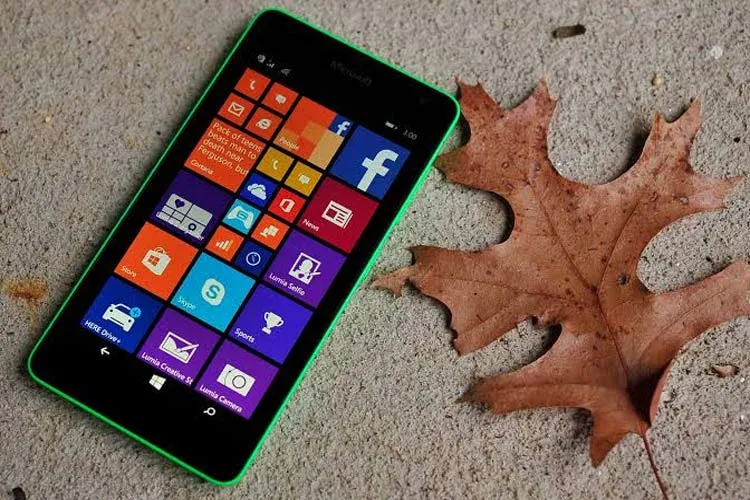
Microsoft is one of the world’s largest technology companies; a company that has achieved notable successes in areas such as computer operating systems, laptops and tablets, software services, and Xbox gaming consoles. However, the company’s attempt to seriously enter the smartphone market never produced the desired result and ultimately the “Windows Phone” project came to an end.
Microsoft released a series of Windows Phone-equipped phones between 2010 and 2015; but these products were unable to gain a significant position against Apple’s iPhone and the wide range of Android phones.
Competing with the iPhone and Android was difficult from the start
In 2015, the website BGR, citing statements from a former Microsoft engineer, examined the reasons for Windows Phone’s failure. According to this account, in addition to fierce market competition, Microsoft failed to allocate sufficient focus and resources to turn Windows Phone into a competing platform.
After the first iPhone’s release, Apple turned the smartphone into one of its most important products and quickly formed a coherent hardware and software ecosystem around it. On the other side, Android, supported broadly by companies like Samsung, grew quickly and became the iPhone’s main rival.
In such circumstances, the entry of a new player into the market was considerably more difficult; because success in this field depended not only on producing a suitable phone or developing an operating system, but also on the presence of a strong ecosystem of apps, developers, and services.
Microsoft did not give Windows Phone enough focus
Microsoft had the financial and technical resources necessary to compete with Apple and Google, but Windows Phone never became the company’s top priority. Development of various projects in other divisions prevented the organization from fully focusing on the mobile market, and the development of Windows Phone hardware and software did not progress at the expected pace.
In the smartphone market, where Apple and Google were continuously developing their operating systems, services, and tools, such an approach could quickly widen the gap between a platform and its competitors.
Windows 8 and the blow to Microsoft’s brand
Another decision that indirectly harmed Windows Phone was the design and release of Windows 8. In this version, Microsoft tried to harmonize the desktop user experience with the world of touch devices, and its user interface was influenced by the smartphone user experience.
However, this approach was not pleasing to many PC users. The new user interface, designed more than before for touchscreens, created a different and sometimes unsuitable user experience on computers that lacked touchscreens.
As a result, Windows 8 failed to meet Microsoft’s expectations and dissatisfaction among some users damaged the Windows brand’s reputation. This issue later indirectly affected users’ perceptions of Windows Phone; although the two platforms were not technically identical.
In contrast, Apple took a different approach and developed dedicated operating systems for its various products. This strategy allowed the company to design the user experience of each device according to the characteristics of that product.
The bigger problem: lack of sufficient apps
One of the most important problems of Windows Phone was the shortage of applications. The platform’s low number of users meant many developers lacked sufficient incentive to build and support dedicated versions of their apps for Windows Phone.
This situation created a vicious cycle: users were less inclined to buy Windows Phone devices due to the lack of popular apps, and developers, because of the small user base, allocated fewer resources to develop apps for this platform.
Android had a major advantage in this regard and, thanks to Google’s broad services ecosystem and support from numerous smartphone manufacturers, was able to attract more users and developers. In contrast, some important Google services, including Gmail and YouTube, at times did not have proper support on Windows Phone and Google removed YouTube from the platform in 2013.
Even Microsoft executives moved to Android
By 2017, Bill Gates, Microsoft’s founder and then board member, announced that he was using an Android phone. Some other company executives had similar experiences; a sign that even within Microsoft the future of Windows Phone did not look very promising.
Microsoft stopped developing Windows 10 Mobile in October 2017 and officially ended support for this operating system in January 2020. Thus, one of Microsoft’s most important efforts to be present in the smartphone market effectively came to an end.
Microsoft’s return to the mobile market with Android?
Despite the end of the Windows Phone era, Microsoft apparently has not completely abandoned the smartphone market. According to published reports, the company is preparing a product called “Nex Phone” which, unlike previous generations, will use the Android operating system and may be introduced or released in late 2026.
If these reports are accurate, Microsoft’s new approach indicates the company intends to use the market’s dominant platform instead of trying to build a completely independent mobile ecosystem. Such a decision could signal a change in Microsoft’s approach to the mobile market; a market from which the company failed to secure a significant share years ago with Windows Phone.