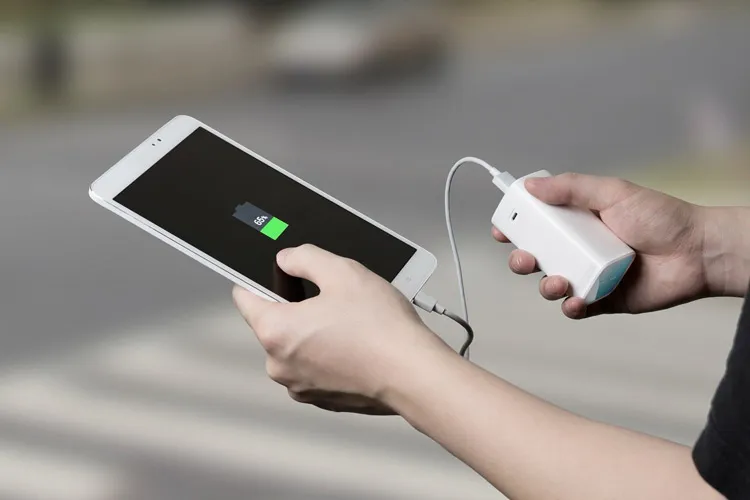
Buying a cheap, third‑party charger may at first seem like a way to cut costs, but using products that do not meet necessary standards can have consequences beyond slower charging. From reduced battery lifespan to damage to internal phone components and even the risk of fire or electric shock, choosing an unreliable charger can cost the user far more than its initial price.
Although buying a charger from the device's original manufacturer, i.e., an OEM product, is usually the safest choice, the high price of some official adapters leads users to opt for cheaper alternatives. For example, an Apple 40W adapter might cost around $39 or a Samsung 45W charger be offered at about $24.90; while similar third‑party units can be bought for a few dollars from shops, petrol stations, or online stores.
These cheap chargers may appear to perform adequately and might even bring a phone to 50 percent in a short time, but the main problem is what happens inside them. Many very cheap models lack essential components and protective circuits, and this issue can endanger the phone's health and even the user's safety.
Why are very cheap chargers dangerous?
One of the most important problems with low‑quality chargers is their inability to supply a stable current. Using cheap components and materials can cause fluctuations in the output current; meaning the electric current constantly varies between different levels.
These fluctuations can put more stress on lithium‑ion batteries and accelerate their chemical degradation. As a result, the battery’s capacity gradually decreases and the user may experience reduced battery life sooner than expected.
On the other hand, some cheap chargers, to cut manufacturing costs, are not equipped with the chips and circuits necessary to support communication standards such as USB Power Delivery or USB‑PD.
This technology allows the charger and device to communicate and determine the most appropriate power level and current. The absence of such a mechanism can cause the charger to deliver a high current to the device without proper management. This situation can raise the phone’s temperature and accelerate the battery’s thermal degradation.
Therefore, mere apparent support for “fast charging” does not mean a charger is safe. The quality of internal circuits, protective systems, and compatibility with charging standards also matter greatly.
Fake chargers can even catch fire
The danger of low‑quality chargers is not limited to the phone’s battery. Products that do not comply with safety standards may pose risks of electric shock, short circuit, fire, or even explosion.
Chargers with valid certifications undergo various safety tests before reaching the market so that their performance under different conditions is examined. In contrast, some ultra‑cheap products may lack such testing or may fail to meet required standards.
Results of an investigation by consumer protection organization Which? in the UK also present a worrying picture of the state of some cheap chargers. The organization purchased and tested 15 cheap chargers from various stores and online marketplaces including Amazon, eBay, Shein, and Temu.
Test results showed 9 chargers from this set posed an electric shock risk and 8 could cause fire or explosion hazards.
A fake Apple charger was filled with modeling clay
One of the strangest items found in this investigation was a fake Apple charger being sold as an original product.
Inspection of this charger revealed its interior was filled with modeling clay; an action apparently taken to increase the product’s weight and create the feel of a high‑quality charger.
But the problem did not end there. This charger produced an electrical arc sound only about 10 seconds after the test began. An electrical arc can indicate the creation of electrical sparks inside the circuit and, if sustained, increases the risk of component damage, fire, and other electrical problems.
Such an event can also, over time, damage charging circuits or the device’s port.
What to consider when buying a charger?
Experts recommend that if you intend to buy a third‑party charger, do not base your choice solely on price or claims about charging speed. The product should be from a reputable brand and comply with recognized safety standards.
Certifications and standards such as Underwriters Laboratories (UL), USB Implementers Forum (USB‑IF), and Made for iPhone (MFi) can be important indicators for identifying reputable products.
Ultimately, paying less for an unknown charger may not produce significant savings; but if the product lacks proper protective circuits, the cost of repairing or replacing the phone and battery, or even damage from fire and electric shock, can be much greater.
For this reason, a charger is one of the accessories that buying cheaply is not always economical.