Falling oil consumption in China in the second quarter of 2026 could be one of the most important signs that the country has passed peak oil demand. Data from the National Bureau of Statistics of China and analyses by Carbon Brief show that overall oil consumption in the country fell by 9 percent during this period and oil consumption in the transport sector also faced a sharp 16 percent decline.
According to ITNA quoting Electrek, this decline does not only mean a drop in fuel consumption; its impact is also seen in China's greenhouse gas emissions. The country's total carbon dioxide emissions fell by about 1 percent in the second quarter of 2026; and this happened even though coal consumption had increased. This is significant because China's emissions decline in this period, contrary to usual patterns, was driven more by reduced oil consumption.
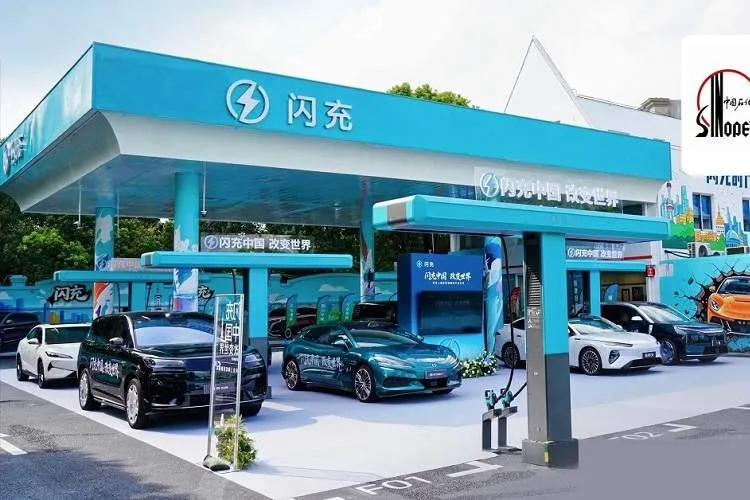
One of the most important factors in this change is the rapid growth of electric vehicles in China. Contrary to the notion that falling oil consumption is due to reduced mobility, the level of transport in China has increased. The spread of electric cars, electric taxis and electric trucks has meant transport is performed with much lower oil consumption. In just the first six months of 2026, China’s electric vehicles replaced more oil than the total oil consumption of the United Kingdom in the same period.
China's state oil company, Sinopec, which had previously predicted that China's oil demand would peak before 2027, now believes this likely occurred in 2025. If this trend continues, China could pass peak oil consumption and per capita carbon emissions while its consumption level remains much lower than that of the United States.
This development could have major consequences for the global oil market. Falling demand in China could put downward pressure on oil prices, and lower prices would reduce companies' incentives to drill, explore and develop new oil fields. Consequently, reduced demand could also lead to lower future supply, creating a self-reinforcing cycle; the very thing referred to as the "oil death spiral."