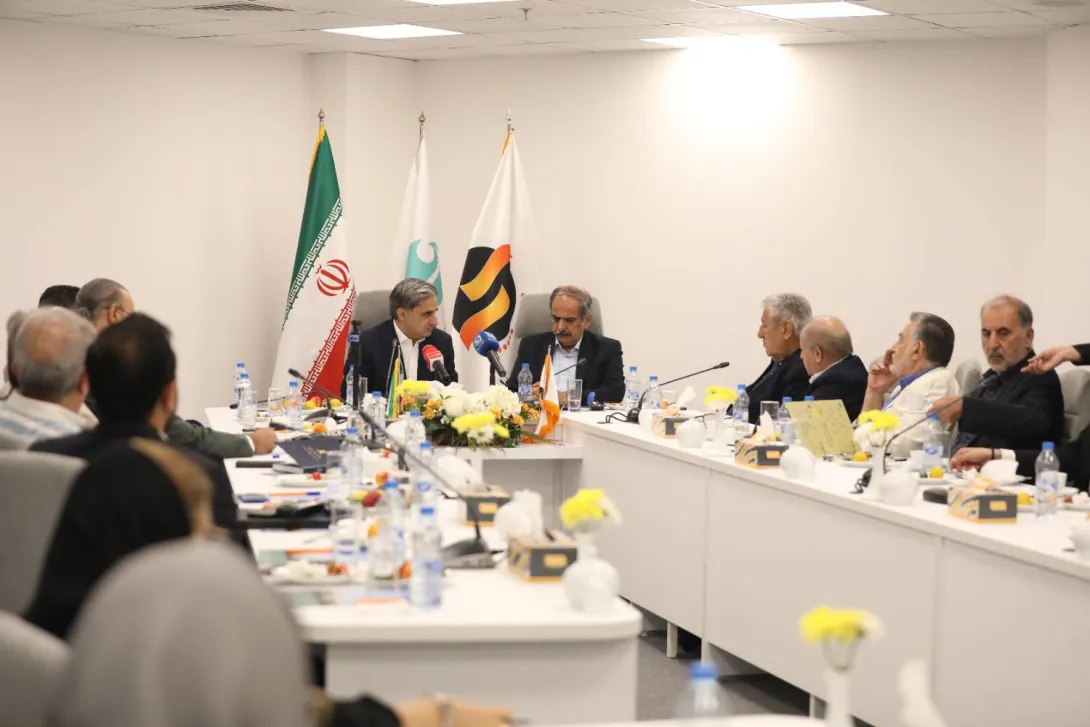
According to the Public Relations and International Affairs of the Kish Free Zone Organization, Mahdi Mosalmkhani said in a meeting with members of the Kish Island Investors and Entrepreneurs Association: rising housing costs have made retaining personnel in the island’s governmental, service and private sectors difficult; therefore, housing has been defined as one of the Special Missions of the Development and Construction Deputy.
He added: teachers, medical staff, employees of service-providing agencies and workers employed in the private sector, despite their effective role in running and supporting the island’s economy, face difficulties securing suitable housing. These conditions have also caused problems for employers and investors who need to retain their skilled staff.
Mosalmkhani, referring to the preparation of a multi-part program in the housing sector, said: the Kish Free Zone Organization has not limited itself to a single model and, according to the conditions of natives, government employees, private sector actors, organizational personnel and laborers, has considered different methods to provide housing or accommodation.
Allocating Housing to Natives as Lease-to-Own
The Development and Construction Deputy of the Kish Free Zone Organization spoke about the natives’ housing plan: in past years, some island natives had registered to receive housing, but effective action had not been taken. Accordingly, a participatory project was defined so that the Organization’s share in this project would be provided to eligible natives in the form of long-term lease-to-own.
Mosalmkhani said registration of applicants and the related platform have been launched and a mass-construction company with executive capability has been selected to advance the project. Payment conditions for the units will also be arranged according to the economic capacity and situation of applicants.
Two Thousand Units Planned in the Service Housing Plan
Mosalmkhani continued about the service housing plan: this plan is envisaged for employees of the public and private sectors so that qualified individuals can access ownership housing according to the plan’s regulations and at cost price. This capacity will be allocated to those who have a defined service history and commitment on the island, and those with short-term presence in Kish are not supposed to benefit from housing allocation at cost price.
He said that a capacity of about two thousand units has been planned for the service housing plan and added: nearly half of this capacity was announced in the first-phase call and the second phase is ready for issuing a call and attracting investors.
The Development and Construction Deputy of the Kish Free Zone Organization, referring to meetings held about the island’s economic resilience, said: part of the service housing capacity is allocated to business owners and economic activists and another part to teachers, medical staff and public service workers. The method of identifying and selecting eligible individuals in the economic sector is also being developed by the Economic Deputy of the Kish Free Zone Organization.
Mosalmkhani on how the service housing plan will be managed said: overall management of this plan has been assigned to Kish Investment and Development Company, but this company is not responsible for direct construction of the buildings and its task is to attract investors, select builders and guide the overall execution process of the project.
He continued: the first-phase call was publicly published in widely circulated newspapers, the Kish Free Zone Organization’s website and the portals of Kish Investment and Development Company, and 13 investors submitted their proposals. After review, evaluation and scoring of the proposals, the project investor was selected.
The Development and Construction Deputy of the Kish Free Zone Organization, referring to criteria for selecting a builder, said: this project needs a builder who can both produce housing at an appropriate cost price and has investment and financing capability; therefore, choosing the builder is not based solely on contractor ranking and the specialized regulations of the Ministry of Roads and Urban Development regarding mass housing construction have also been considered.
He added: in the second phase, active builders and investors in Kish are welcomed and within the framework of the call documents and evaluation criteria, proven effective experience in the island can be considered as one of the specialized criteria for reviewing proposals. Local builders who lack sufficient financial capacity can also form consortia with other investors and participate in the project.
Token-based Financing and Pursuit of Land Tokenization
Mosalmkhani about the token-based financing model of the housing plan said: one of the problems of housing cooperatives is inability to continuously secure financial resources and project stoppages during execution. The new model is designed so that applicants’ resources are gradually attracted and the project will not face liquidity shortages during construction.
He emphasized: the initial amount for defining the investment package will be determined and the final project cost, according to contractual regulations, physical progress, expert evaluation and current conditions, will be calculated.
The Development and Construction Deputy of the Kish Free Zone Organization also said: alongside the token-based financing model for housing projects, a financing model based on land tokenization is being pursued, with compliance to legal requirements and after expert steps and obtaining necessary permits, aimed at securing resources and helping small businesses’ resilience during income downturns.
Mosalmkhani stressed: the service housing projects are not rivals to luxury residential and investment projects in Kish, but complement them and are designed to provide housing for the island’s workers and needed personnel.
Reviewing the Model for Worker Accommodation Implementation
The Development and Construction Deputy of the Kish Free Zone Organization about the worker accommodation plan said: the required lands for this plan have been identified and located and so far three calls for attracting investors have been held. After discussions with economic actors, some parts of the execution model and the operation period of the plan are being reviewed to increase its economic attractiveness for investors.
He added: worker accommodation complexes are designed as lightweight, single-storey structures with specified capacities and, alongside living space, necessary welfare services for residents will be provided. The aim of this plan is not to build hostels lacking facilities, but to provide a suitable living and accommodation environment for employed personnel.
According to Mosalmkhani, an investor can build a worker accommodation complex for its own employees or allocate part of its capacity to other economic actors. In designing this plan, instead of dividing land among many applicants and creating small plots, lands with accommodation capacities of about 100, 150 or 200 people have been defined; because fragmenting land makes project management difficult.
He continued: the sketches and specifications of the lands have been prepared and their information will be published via the Kish Free Zone Organization’s investment system. Investor selection will take place after formal registration of proposals and the review and scoring process.
The Development and Construction Deputy of the Kish Free Zone Organization, referring to readiness announced by some guilds to implement this plan, said: in past meetings, groups including the Hoteliers’ Association declared their willingness to participate in providing employee accommodation and the Organization has also introduced the predicted capacities and lands for initial review and the formal investment process.
Organizational and Personnel Housing Planned for Public and Private Sectors
Mosalmkhani about the organizational housing plan said: about one thousand organizational housing units are planned across several participatory projects. These units will not become the property of employees, but will be used to accommodate personnel of administrative, law enforcement, security and service agencies who operate on the island periodically.
He further emphasized implementing the personnel housing plan for private sector employees and said: implementation of this plan has been generally approved and its lands and proposed boundaries have also been determined; however, commencement of construction is conditional on finalizing the legal and operational model of the plan and determining how the Organization, associations and economic actors will participate within a joint working group.
The Development and Construction Deputy of the Kish Free Zone Organization added: hotels and other economic complexes can participate in this plan to provide housing for their employees. Implementing these projects, in addition to helping retain skilled personnel, will increase construction activity, economic circulation and job creation on the island.
Increasing Housing Production and Supply; The Main Axis of Plans
Mosalmkhani continued by referring to the regulatory role of the Kish Free Zone Organization in the housing market and said: part of the responsibility for monitoring and regulating the housing market lies with the Economic Deputy and programs and actions in this field are being developed and implemented.
He concluded by emphasizing: the Organization’s main goal is to increase housing production and strengthen the supply side on the island so that natives, employees, service workers and private sector actors can access suitable housing or accommodation according to their conditions.