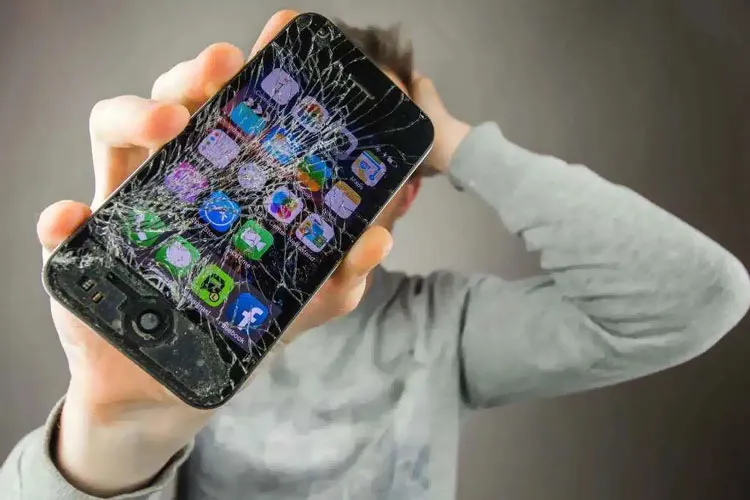
Sudden phone failure can at first glance mean the loss of all personal data - especially when the device no longer powers on after a drop, severe impact, contact with water, or overheating. However, a phone being off does not necessarily mean the stored data is destroyed.
In many cases, photos, videos, messages, and files still remain on the phone's internal storage, and the main problem is the device's inability to access them. The chances of recovery depend on the location of the damage, the condition of the memory chip, and, most importantly, the ability to access the decryption keys.
When the memory has remained intact
A smartphone is a collection of different components, and failure of one of them does not necessarily destroy the internal storage. For example, the display, battery, charging port, or some motherboard components may be damaged while the storage chip remains intact.
In such cases, data recovery specialists may first temporarily repair the device or replace the faulty component so the phone can be put into a state where data can be extracted. In fact, the goal is not always to fully repair the phone; sometimes it is only necessary to get the device into a state for a short time that allows access to the data.
Broken screen; one of the simplest scenarios
If only the phone's display is broken, the internal data has likely not been harmed. In such cases, temporarily replacing or repairing the display can allow entry into the phone and transfer of files.
However, modern phones have another major barrier: encryption. On today's devices, stored information is usually encrypted in such a way that accessing the memory chip alone is not sufficient to read its contents. The decryption keys can also be tied to the device's hardware and the user's password or authentication method.
For this reason, older methods like removing the memory and reading it directly in another device do not have a simple and direct application for many new phones.
Motherboard damage; the situation becomes more complicated
If the motherboard is damaged and the phone does not even turn on, data recovery will be more difficult. Specialists may first identify and repair the faulty components that prevent the device from powering on.
In more complex cases, specialized laboratories can use methods to access the memory chip more directly. But the success of such methods depends on the phone model, the type of memory, the extent of the damage, and the device's security architecture. Even if data is extracted from the chip, encryption can be a major obstacle to converting raw data into usable files.
Water and heat; hidden enemies of data
Water damage creates different conditions. Liquid ingress can cause gradual corrosion of connectors and electronic components; therefore the phone may work at first but later fail due to ongoing corrosion.
For this reason, repeatedly trying to power on a wet phone or charging it can make the situation worse. In such a situation, keeping the device off and handing it to a data recovery specialist can prevent further damage.
Extreme heat can also damage electronic components and the memory itself. If the storage chip has sustained serious physical damage, the chances of data recovery may be greatly reduced.
Backing up is still the most reliable solution
There is no rule that applies to all damaged phones. A phone may appear completely dead but its data may be recoverable because the memory has remained intact; conversely, even a phone with limited visible damage may have inaccessible data due to memory failure or loss of components needed for decryption.
For this reason, backing up is very important. If important photos, videos, and files were previously synchronized with cloud services or another computer, they can be recovered even if the phone becomes irreparable.
Ultimately, the most important point is that phone failure and data destruction are not the same event. As long as the device's memory and security architecture allow access to the data, even some severely damaged phones may have a chance of recovery; but the closer the damage is to the memory itself or components related to decryption, the more complex and risky the process will be.