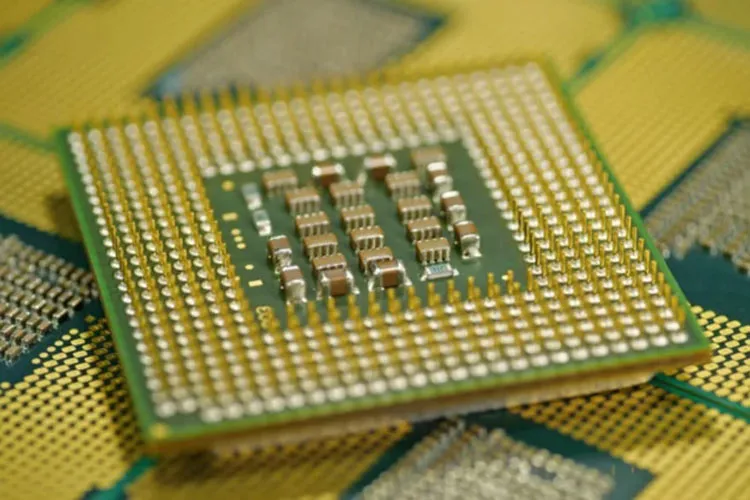
Computer electronic components, including processors, connectors and motherboard contacts, contain small amounts of gold. Besides its high price, this metal plays an important role in the performance of electronic equipment. The main question is how much gold is present in processor pins and whether extracting it from old computers is economically viable.
Processor pins, like many electronic contacts in laptops and desktop computers, are coated with a very thin layer of gold. This shiny coating has led some people to attempt to recover gold from electronic parts, but the amount recoverable is usually much less than expected.
For example, the YouTube channel “Iman Gold Recovery” recovered just under one gram of gold from 150 Intel Pentium 4 processors in one of its experiments. Considering the cost of equipment, chemicals and the complexity of the process, extracting gold from a few old processors will likely cost more than the value of the gold obtained.
Why are pins gold-plated?
Processor pins are not made of pure gold. Only a very thin layer of gold is placed on a cheaper metal such as copper or brass. This coating is created by “electroplating”; that is, an electric current passes through a solution containing gold ions and the ions deposit onto the base metal.
There are several technical reasons for using gold:
Gold has high resistance to corrosion and oxidation and does not rust when exposed to air and moisture.
Its adequate electrical conductivity helps maintain connection quality.
Its malleability and ductility make the contact surfaces of the processor and motherboard socket function reliably. This coating helps maintain connection quality under varying temperature conditions, although its thermal resistance does not mean full protection of components against extreme heat.
When is extraction profitable?
Recovering gold from electronic equipment is possible, but is mostly economically justified at an industrial scale. Specialized recycling companies can process large volumes of worn-out parts and recover their valuable metals. By contrast, extracting gold from a limited number of parts at home, in addition to high costs, carries serious risks.
This process may require corrosive and hazardous chemicals that must be handled with specialized safety equipment, including an appropriate chemical fume hood. Its toxic wastes must also be disposed of according to environmental regulations. For this reason, handing over worn-out equipment to reputable electronic waste recycling centers is a safer option. These considerations are not limited to processors and also apply to smartphones and other devices.
Why do older devices have more gold?
The thickness of gold plating differs between old and new products. In many components from the 1980s, the plating thickness was around one micrometer, whereas in many modern components it has reached about 0.1 to 0.5 micrometers.
Additionally, the miniaturization of components has reduced the amount of precious metals used, because modern equipment is much smaller than products of the 1980s and 1990s. Therefore, older devices may be more valuable for gold recovery, although the actual amount depends on the type of components, design and extent of gold coating.
According to Phoenix Refining, a 1990s computer board can contain one to five grams of gold, while a modern smartphone contains about 0.034 grams of gold. These figures pertain to two different categories of equipment and a direct comparison between two similar products is not appropriate, but the striking difference shows how generation and device type affect recycling value.
Conclusion
Processors and other computer components contain small amounts of gold, and extracting it from a few personal devices usually yields little profit. The real value of recovery becomes apparent when a large volume of equipment, especially older parts, is processed at specialized centers using safe methods. According to Eghtesad Online citing BGR, the presence of gold in electronic parts does not necessarily mean extraction is profitable, and recovery and safety costs must also be considered.