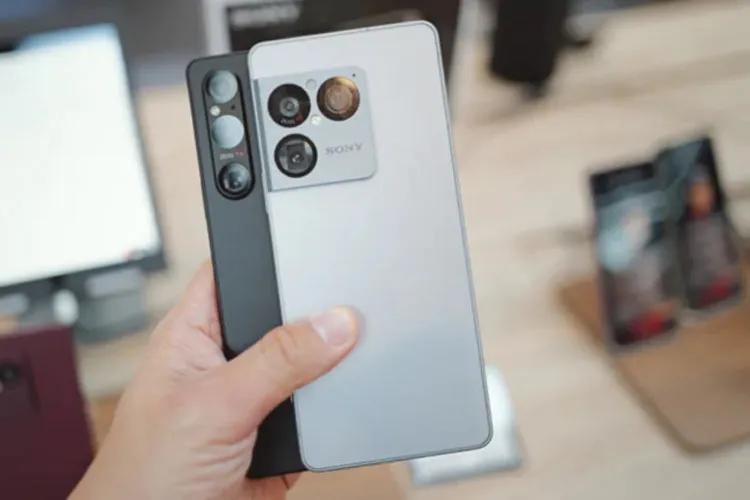
Sony is a company best known worldwide for PlayStation consoles and Walkman music players. Its television division, Sony Pictures Television, also distributes shows such as Wheel of Fortune and Jeopardy. Nevertheless, Sony remains one of the makers of Android smartphones; although the production situation for these products is now markedly different from before.
Years after the Sony Ericsson era, Sony’s Xperia phones appeared in store windows alongside Samsung and LG products in the early 2010s. From 2015 the company also experienced several years of successful presence in the unlocked phone market and direct-to-consumer sales.
However, in 2024 Sony stopped selling Xperia phones in United States retail stores. Although these products are still available to American users through online marketplaces such as Amazon, Sony has focused its attention on the European and Japanese markets as well as Taiwan and Hong Kong.
Thus, Sony still offers smartphones, but evidence suggests the company apparently no longer manufactures its phones directly.
Change in Sony’s list of factories
In May 2025, Japanese publication Smartphone Digest reported that Sony had updated documents related to the types of products made at its various factories.
According to the report, two Sony factories in Thailand and one factory in China that had previously been listed as smartphone production centers were no longer on that list.
At the same time, Sony was launching the Xperia 1 VII; a product that marked the beginning of assembly by third‑party manufacturers for the company’s phones. The Xperia 1 VII is among the notable Android phones on the market and still features a headphone jack.
Despite these changes, Lin Tao, Sony’s CFO, told investors during the company’s August 2025 earnings report that Sony remains committed to its smartphone business. However, he did not provide details about how those products are produced.
A different story for Xperia phones
Sony’s approach to making Android phones has always been somewhat similar to LG’s; a company that tried to carve out a different place in the mobile market with distinctive designs such as curved bodies, modular designs and even a concept phone with a rollable display.
LG ultimately exited the smartphone business entirely in 2021 due to intense market competition. Sony did not make that decision, but in recent years it has taken a more cautious approach to developing and releasing its phones.
Sony’s Xperia Compact series included six models released between 2014 and 2018. These phones had displays of 5 inches or smaller and at the time were capable, powerful options.
These products were even smaller than some of Apple’s more compact models such as the iPhone 12 mini and iPhone 13 mini. During the same period, Sony also released the X, Z and XZ Premium series, which later formed the basis for the current Xperia 1 lineup.
One of the distinctive features of Sony’s phones at that time was the use of 4K displays. In fact, Sony was the first manufacturer to release a smartphone equipped with a 4K display.
However, Sony’s new phones take a different approach compared with previous generations. The new Xperia series models are no longer compact, unique devices with striking 4K displays as before.
The Xperia 1 VI in 2024, with a 1080p display and a focus on a triple‑camera setup featuring Exmor sensors, shifted the flagship Xperia series toward a more conventional approach.
Sony also offered the Xperia 5 series as a more affordable option, but the company completely halted production of that series in 2023.
Despite the extensive changes in Sony’s mobile business, Xperia fans can still have hope. According to recent claims, the mid‑range Sony Xperia 10 VIII is scheduled to be released in the week ending August 23 (1 Shahrivar 1405).