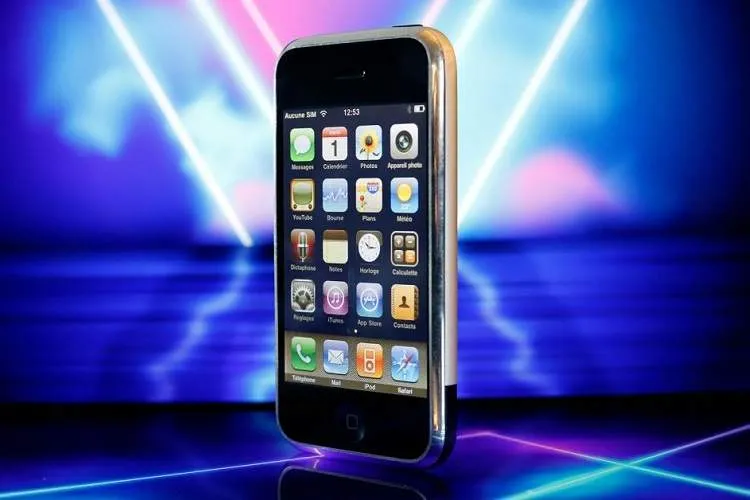
Sam Altman, CEO of OpenAI, said in a new interview about the future of artificial intelligence that the technology has not yet experienced its "iPhone moment." In his view, the technologies needed for a fundamental transformation in how humans interact with computers exist, but no product or experience has yet been created that makes AI as widespread and transformative for ordinary users as the iPhone did.
According to ITna quoting 9to5mac, Altman compares the current state of AI to the smartphone market before the introduction of the iPhone. Before the iPhone, products such as Windows CE–based devices, Nokia phones, and PalmOS existed, but the iPhone managed to turn the smartphone from a product mainly used by tech enthusiasts into a general, everyday tool. Altman believes AI has not yet reached such a milestone.
The CEO of OpenAI also pointed to one of Apple's and Steve Jobs's important lessons. Jobs repeatedly emphasized the importance of focus and believed that companies must be able to say "no" to many good ideas in order to concentrate their resources on the few truly important ones. Altman admitted that he has not been very good at setting aside good ideas to protect great ones and that he needs to learn this lesson better.
Altman also spoke about his previous predictions regarding AI's impact on the economy and said he was overly optimistic in estimating the pace of economic changes caused by AI. Nevertheless, he still envisions a very different future for businesses.
According to Altman, one interesting outcome of the spread of AI tools could be the formation of the largest wave of small business startups. AI can help people create new companies and businesses with fewer resources.
But Altman's prediction also contains a paradoxical point: some businesses may succeed precisely because they have nothing to do with artificial intelligence. As the use of technology increases, people may seek more authentic, human, and non-technological experiences than before.