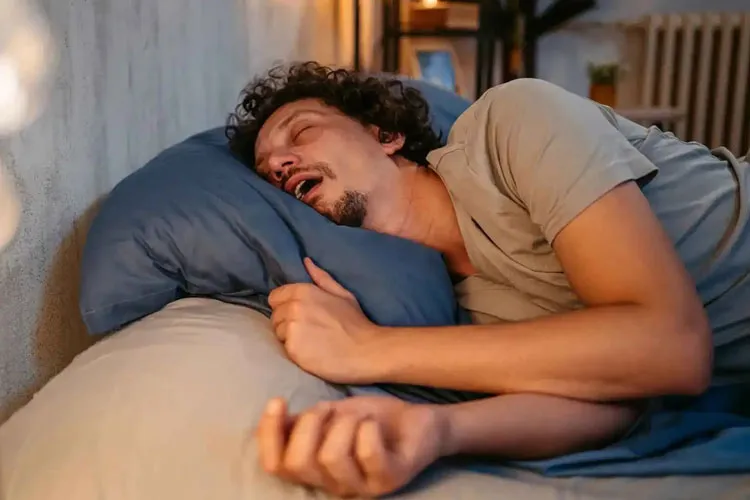
Researchers have asked people who snore frequently to undergo specialized medical examinations and emphasized that this phenomenon can be a sign of a serious disorder called "sleep apnea"; a condition that is often mistakenly considered merely a nighttime nuisance.
Specialists at Tufts University School of Medicine in the United States have stated that this troubling disorder causes repeated short breathing interruptions during the night; a process that leaves a severe negative impact on sleep quality and also leads to a significant reduction in blood oxygen levels.
Three main types of sleep apnea
According to the findings of this study, sleep apnea is classified into three main types:
The first type, obstructive: the most common form of this disorder, which occurs due to relaxation of the tissues in the throat area and blockage of the airways.
The second type, central: caused by a disorder in the brain's signaling to the muscles responsible for the breathing process.
The third type is considered a combination of the two aforementioned types.
Warning signs that should not be ignored
Main signs of sleep apnea include loud or frequent snoring, choking sounds or gasping during sleep, temporary pauses in breathing, and waking up with feelings of fatigue or sluggishness.
Experts warn that if not treated in a timely manner, this disorder can significantly increase the risk of high blood pressure, heart disease, stroke, type 2 diabetes, depression, and other mood disorders.
However, the study emphasizes that snoring alone is not definitive evidence of having sleep apnea and not everyone who snores will necessarily have this condition.
Underlying factors and diagnostic methods
According to researchers, the most important underlying factors for obstructive sleep apnea include weight gain, enlarged tonsils, and thickening of the neck area. In contrast, central sleep apnea usually occurs following heart disease, stroke, the use of certain medications (especially narcotics), and the aging process.
Diagnosis of this disorder is possible through specialized tests in sleep laboratories or by using monitoring devices available for home use.
This report is for public information; if the mentioned symptoms are observed, consulting a specialist physician is recommended.