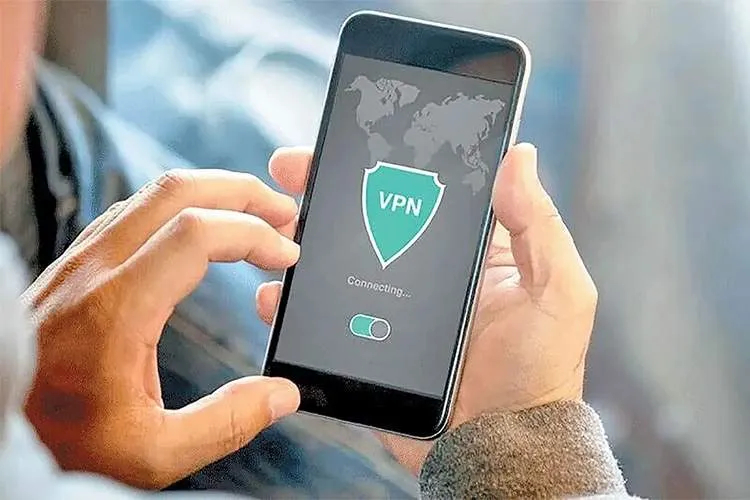
For months in the lived experience of internet users in Iran, especially when connecting to VPNs, a noteworthy phenomenon has occurred. This phenomenon concerns the compulsory broadcasting of content at the moment an application opens that is presented ostensibly as “commercial advertising,” but their nature, message, and function bear no resemblance to the usual rules of commercial marketing.
This note is a warning about an event that, beyond a simple advertisement, should be examined in the realm of cyberspace governance and the psychological security of society.
Reflection on this from the perspective of political sociology and communications reveals important dimensions:
First, the change in the nature of advertising from product to despair: while commercial ads seek to introduce services or goods, these contents focus on pumping out the inefficiency of the system, deepening divisions, and encouraging unrest. Here, audience attention is purchased for the manipulation of public opinion.
Second, the financial mechanism and billboard renters: VPN makers are not necessarily the producers of these messages; they merely rent the space in their app like a billboard. International advertising systems operate as automated auctions and large-budget streams pre-purchase these slots for users inside Iran by paying the highest bids. The VPN developer, due to dollar profit, closes their eyes to the content.
Third, targeting psychological vulnerability: the user in the seconds of connection is at the height of frustration and anger caused by disconnection. Message designers precisely target this sensitive window of emotional vulnerability to implant despair in the audience's mind.
Fourth, forging the identities of political groups inside the country: one dangerous trick is producing clips bearing the names and insignia of legal parties and organizations inside Iran. The aim is to make rumors believable, intensify distrust among factions, and create fabricated confrontations within the country.
Fifth, monitoring behavioral data: these pages are not merely messengers; they measure the duration of viewing, clicks, or skipping of the video. These reactions help designers gauge the emotional pulse of society and design subsequent campaigns more precisely.
Sixth, psychological erosion from repeated exposure: Iranian users connect and disconnect VPNs dozens of times daily. This repeated exposure to crisis narratives gradually alters an individual's mental reality and creates a sense of social deadlock.
Seventh, exploiting the appeal of artificial intelligence: the use of dynamic animations and computer-generated faces and voices makes visual appeal break the audience’s logical defenses and conveys a political message in the form of an attractive short video.
Confronting this phenomenon requires a realistic, constructive, and multifaceted approach:
1. Parties and political figures should be vigilant against the misuse of their names and banners and, through swift positioning, close the way on these deceptive games.
2. Policymakers should reconsider the pattern of widespread internet blocking; extensive filtering has driven millions of citizens unwillingly toward the unsafe corridors of VPNs and exposure to these attacks.
3. Strengthening legal defense and international monitoring: ad distribution platforms have specific rules against hate content and identity forgery. Civil and legal technology institutions can, by documenting these violations, compel hosting platforms to hold these campaigns accountable and block them.
4. Increasing media literacy in society is essential so users know that no free VPN is benevolent and its cost is paid with the psychological security of the audience./Etemad newspaper