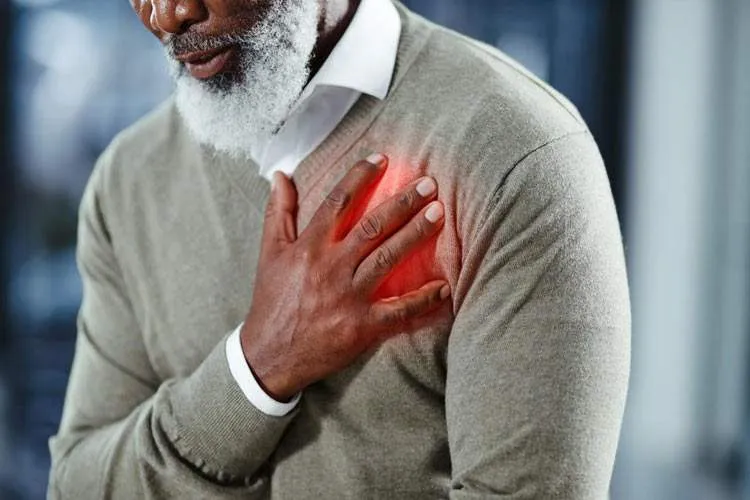
Researchers have for the first time shown that human heart muscle cells can regrow after a myocardial infarction. This finding calls into question the prior belief that damaged parts of the heart are completely unable to regenerate. Scientists now hope to find ways to markedly enhance this natural repair process; an achievement that could lead to a new avenue for treating heart failure.
According to ScienceDaily, researchers from the University of Sydney, the Baird Institute and Royal Prince Alfred Hospital in Sydney found that the human heart can produce new muscle cells after a heart attack. The results of this study, published in the journal Circulation Research, challenge the long-held belief that heart muscle lost during a heart attack cannot be regenerated and may ultimately help scientists find new treatments for cardiovascular diseases.
Dr Robert Hume, lead author of the paper from the Faculty of Medicine and Health and the Charles Perkins Centre and Director of Translational Research at the Baird Institute for Applied Heart and Lung Research, explained the potential significance of this finding: “Until now we thought that because heart cells are lost following a heart attack, the damaged areas of the heart are no longer repairable and, as a result, the heart’s ability to pump blood to the body’s organs is reduced. But our research shows that although a heart attack causes scar tissue to form in the heart, the heart also produces new muscle cells, and this opens up new possibilities for us.”
He noted, however, that although the discovery of the ability of muscle cells to regrow is exciting, the extent of this regeneration is not sufficient to prevent the serious and damaging consequences of a heart attack, and they hope in the future to develop drugs that boost the heart’s natural ability to produce new cells and help its regeneration after a heart attack.
Scientists had previously observed that after a heart attack the rate of mitosis, the process by which cells divide and proliferate, increases in the heart muscle of mice. The new study is the first to show this phenomenon occurring in humans.
Permanent damage caused by heart attacks
Cardiovascular diseases are the leading cause of death worldwide. In Australia these diseases account for nearly a quarter, that is 24 percent, of all deaths.
A heart attack can destroy up to one third of a human heart’s cells. Although advances in treatments over the past decade have dramatically increased patient survival rates, surviving a heart attack does not always prevent serious long-term complications and many patients eventually develop heart failure; a condition in which the heart can no longer pump the blood needed to meet the body’s demands efficiently.
Currently, heart transplantation is the only definitive treatment for heart failure. However, only a small number of patients can access this option. In Australia about 144,000 people live with heart failure, while only about 115 heart transplants are performed each year. Therefore, there is a large gap between the number of patients who could benefit from receiving a new heart and the number of donor organs available.
Living heart tissue, a new tool for research
The research also relied on an unprecedented worldwide method in which living heart tissue was collected from patients during bypass surgery. These tissue samples were taken from patients who, with their consent, underwent coronary bypass surgery at Royal Prince Alfred Hospital in Sydney. The researchers sampled both diseased and healthy parts of these patients’ hearts.
Because these tissues are taken from living human hearts, researchers can now study heart biology in a laboratory model that may more accurately reflect what actually happens in patients’ bodies.
A step toward regenerative heart therapies
The ability to collect and study living heart tissue may become an important tool in finding regenerative therapies. The research group hopes the new model will help clarify how new muscle cells are produced in the heart and find ways to enhance this natural response.
Professor Sean Lal, senior author of the study from the Faculty of Medical Sciences and a heart failure specialist at Royal Prince Alfred Hospital, said: “The ultimate goal is to use this discovery to generate new cardiac cells; cells that can reverse heart failure. Using models based on living human heart tissue in our research means we will have more accurate and reliable data for developing new drugs for heart disease. Our research using these samples has so far identified several proteins whose roles in heart regeneration had previously been demonstrated in mice. The ability to now investigate and apply these findings in humans is a very exciting prospect.”
These proteins may provide clues to researchers so they can encourage the damaged human heart to produce more muscle cells. Although developing such drugs remains a future goal, this discovery provides direct evidence that the adult human heart, at least to some extent, has a natural ability to regenerate its muscle after a heart attack./ Independent