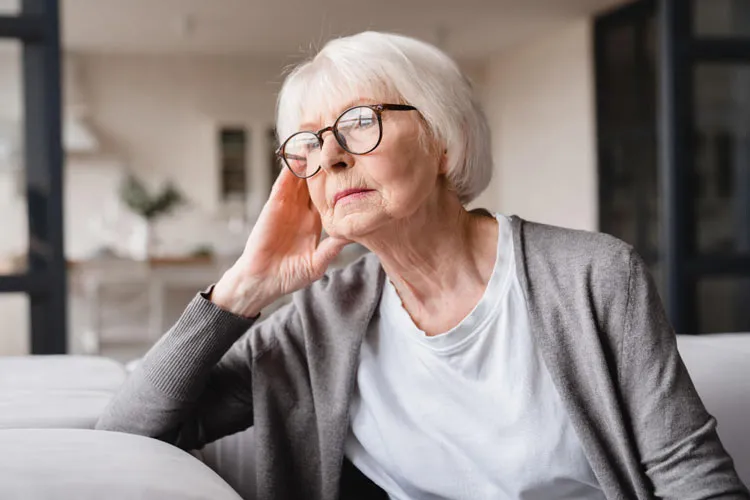
Loneliness and social isolation can reduce the remaining years of disease-free life, and women and men are not affected in the same way.
Social isolation means limited contact and participation with others, while loneliness is a subjective experience of being disconnected from the surrounding world. Although these are not the same thing, a new study published in the journal Nature Communications (source in English) shows that both are associated with a reduction in healthy life years.
On average, loneliness and social isolation take about six years from individuals' disease-free years and negatively affect both physical and mental health; this is the result of analyzing data from more than 270,000 adults aged 40 to 69.
Luo Qi, a professor at Tulane University and the lead author of the paper, said: "Overall, this study showed that social isolation and loneliness can have a significant impact on disease-free lifespan."
The study showed that these associations were stronger for the loss of years without mental disorders such as depression and anxiety than for years without physical diseases such as type 2 diabetes, cardiovascular diseases, chronic respiratory diseases, neurodegenerative diseases, and cancer.
The good news is that maintaining a healthy lifestyle can partly mitigate the negative impact of social isolation. But the bad news is that it does not seem to compensate for the harm caused by loneliness.
At age 50, people who experienced both loneliness and social isolation spent fewer years free of major chronic illnesses compared with those who experienced neither.
How does the impact differ for women and men?
Women and men are not harmed by loneliness and social isolation in the same way, and this difference is also seen in the effect on their health. Because women may prioritize emotional connection, their mental health problems are more linked to loneliness, while men's mental health shows a closer relationship with social isolation.
Among women, loneliness and social isolation meant 2.4 years of poorer physical health and 3.7 years of poorer mental health, whereas for men it meant losing 1.7 years of life free of physical diseases and 5.8 years of life free of mental disorders.
Men were more likely than women to experience concurrent loneliness and social isolation, faced more shortages of social, material, and economic resources, and scored lower on the healthy lifestyle index.
According to the researchers, this gender gap may be explained by differences in how support is received and how psychological well-being is attained; men rely more on physical presence and frequent social interactions, and women benefit more from emotional support.