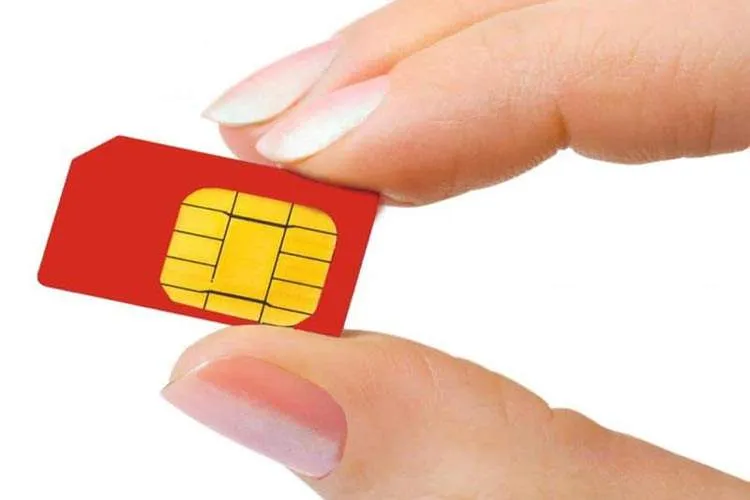
SIM cards that are not used for a long time may be subject to forfeiture and their ownership may be revoked from the cardholder. If you do not use your SIM card for a long period, meaning you have no monetary or communication activity, according to Iranian telecommunications regulations, your SIM card will enter the forfeiture process. This process usually happens in stages, which include becoming one-way, two-way, and forfeiture.
Temporary deactivation (becoming one-way)
In this stage your SIM card is first made “one-way”; meaning you cannot make outgoing calls or send SMS, but you may still be able to receive incoming calls, provided you have credit, and operators usually send warning SMS messages about inactivity.
Complete deactivation (becoming two-way)
If after a period, usually between 3 to 6 months, you have no activity such as outgoing calls, sending SMS, or topping up credit, the operator will remove your SIM card from the network completely and make it “two-way”. At this stage your SIM card is completely disconnected and effectively no longer gets a signal.
Forfeiture (permanent)
If again for a longer period, for example one year or more depending on the operator’s conditions, you do not activate or renew the SIM card, the operator has the right to take the number’s entitlement from you. In this case that number will forever leave your ownership. The operator can reassign that number to a new subscriber.
Unused or anonymous and abandoned SIM cards can create serious security, legal, and even economic problems. In Iran, given regulatory laws (Communications Regulatory Authority), keeping these SIM cards entails various challenges.
Among existing challenges are criminal abuse and fraud. If a SIM card is registered in your name but you do not use it or it is left in a drawer, fraudsters may, by accessing your SIM card, receive verification SMS messages for bank accounts, payment apps, or social networks.
Abandoned SIM cards are often used for scam calls like phishing, threatening calls, or telephone fraud. If a crime occurs and the SIM card is registered in your name, you are the first person to be legally pursued, and proving that you do not use that SIM card is a long and difficult process.
Aside from this, the legal responsibilities of owning a SIM card must be considered. Under Iranian law, the SIM card owner is responsible for all activities carried out with that line, because if bulk promotional, insulting, or fraudulent SMS are sent from your line, the legal responsibility lies with the line owner and it counts as a cybercrime.
Another legal problem is access to accounts. Most platforms like Telegram and WhatsApp are recovered using a phone number. If someone gains access to that SIM card, they can effectively access all accounts linked to that number.
SIM cards act as one of the authentication components in government and postal systems, so possessing multiple unused SIM cards may cause conflicts in your identity information in national systems or create ambiguity in processes that require a “national ID linked to the mobile number.”
If your SIM card is postpaid, the subscription and monthly costs continue to accumulate and can cause large debts and even the blocking of your national ID in telecommunications systems.
What can you do to prevent your SIM card from being deactivated?
If you do not want to lose your number, simply perform simple actions every few months. For example, by making a short call to a friend or sending a simple SMS and even buying a small top-up or internet package you can prevent its deactivation and extend the SIM card’s lifespan.
An important point
If your SIM card is postpaid, the law is slightly different. If you do not pay your bill, your SIM card will be disconnected, but if you pay, your SIM card remains active even without use.
If you have not used your SIM card for a while, put it in your phone today and make a test call or SMS to ensure it is active. If you have received a message indicating disconnection, promptly visit the service offices of operators like Hamrah Aval, Irancell, or RighTel.
When your SIM card becomes inactive due to issues like debt or being left unused, operators may act to purge the number. In this case the SIM card leaves your ownership and may be assigned to someone else. According to regulations, however, the operator must issue two official warnings before purging and then put the number into the reassignment cycle.
For postpaid lines, first an invoice is issued and must be paid at the end of each cycle. Then the operator sends a warning SMS, then blocks outgoing calls and later incoming calls, and if you resist for 365 days and the debt remains, the SIM card is fully purged. But if you settle the debt before that, the line is reactivated after a few hours.
For prepaid lines, if the line has no transactions for 90 days, the operator can purge the line, but if someone for any reason such as travel abroad does not have access to their SIM for a while, in that case you should have enough credit on the SIM so the operator can collect network maintenance costs and the SIM is not purged.
Fortunately there are various ways to top up your SIM card, and you can even regularly recharge your prepaid line from abroad so it is not forfeited.
An important recommendation for owners of SIM cards they no longer use is to check official operator systems like the CRA’s mobile count inquiry system at mobilecount.cra.ir to find out the exact number of SIM cards registered in your name. Then, if you have a SIM card you do not need, be sure to forfeit it by visiting government service centers or the operators’ official apps. Simply turning off the phone or removing the SIM card is not enough because the SIM remains active on the network and stays registered in your name. / ISNA