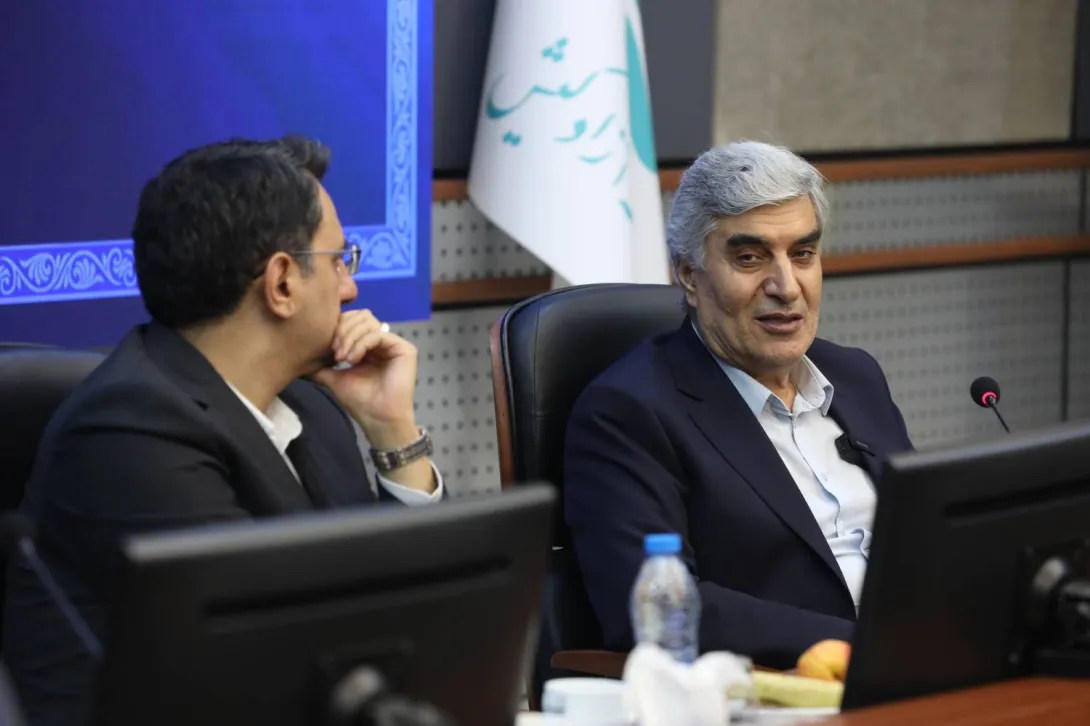
According to the Public Relations and International Affairs of the Kish Free Zone Organization, Dr. Mohammad Nouri, in a consultative meeting attended by Mohammad Kabiri, CEO of the Kish Free Zone Organization, a number of the organization's deputies, CEOs of subsidiary companies and representatives of the island's communities and guilds, held in the Razi Hall of the Kish International Conference Center, appreciated the solidarity and coordination between the regional management and the island's private sector.
Referring to the role of economic activists during the 12-day war and the periods before and after it, he said: the private sector's accompaniment with the government in difficult conditions has played an effective role in the continuity of services, maintaining the flow of economic activities and the country's calm, and this accompaniment deserves appreciation.
Dr. Nouri added: no country achieves sustainable growth without a capable private sector, and to reach a strong economy the ground must be prepared for greater growth, investment and influence of economic actors in policymaking and decision-making.
Referring to the government's continuous communication with economic actors and the president's meetings with private sector representatives, he stated: hearing directly the views and issues of economic actors can help improve the quality of decision-making and policymaking and enable more effective participation of this sector in the country's development.
The Private Sector; The Axis of Increasing Economic Productivity
The presidential aide, emphasizing the necessity of transferring more economic activities to the private sector, said: activities that the private sector is able to perform should, as far as possible, be entrusted to this sector, and governmental and public bodies should strengthen their roles in policymaking, oversight and facilitation.
He considered leveraging the knowledge, capital and managerial capacity of the private sector as one of the main paths to increasing productivity and added: experience has shown that the real and effective presence of the private sector can provide the grounds for faster and more efficient development of economic activities.
Dr. Nouri also regarded the use of various methods of transferring ownership or management to the private sector as capacities that can be used to increase the productivity of economic enterprises.
Increasing Authorities; Necessary for Achieving the Goals of Free Zones
Dr. Mohammad Nouri, referring to the philosophy of forming free zones, said: these zones were created to facilitate economic activity, speed up decision-making and reduce the dependence of executive affairs on central administrative processes, and free zone managers must, commensurate with their responsibilities, also possess the necessary authorities.
He emphasized: authority and accountability must go hand in hand; the free zone manager must be able to decide and implement within the framework of the law and in return accept responsibility for the results of his decisions.
The presidential aide, referring to the government's approach to increasing provincial authorities, added: wartime conditions also showed the importance of decentralization and the possibility of quicker decision-making in provinces and regions, and this approach regarding free zones must also be strengthened.
He requested a precise identification of instances where the authorities provided for in free zone laws have faced limitations at the implementation stage and added: these cases should be compiled specifically and prioritized so they can be raised for decision-making and follow-up at the government level and with the president.
Focus on Impactful and Priority Issues
Dr. Nouri, stating that solving a few key issues can also affect many other areas, said: instead of scattering capacities among numerous topics, two or three main and impactful regional issues should be identified and focus placed on solving them.
Praising the performance of Mohammad Kabiri, CEO of the Kish Free Zone Organization, he listed having knowledge, executive capability, decision-making power and acceptance of responsibility among the needed traits of development-oriented managers and added: the country needs managers who, in addition to having knowledge and experience, also accept responsibility for their decisions and the results of their performance.
The presidential aide also, referring to the president's support for the management of the Kish Free Zone, stated: a significant portion of the programs presented for the island's future are aligned with the developmental outlook required by free zones and there is suitable capacity to advance Kish's development programs.
He added: the programs presented for Kish in many areas are consistent with the developmental perspectives required by free zones, and completing these programs and focusing on a few main priorities can increase the effectiveness of actions.
Strengthening KishAir and Developing Air Access
Continuing, Dr. Mohammad Nouri considered air transport one of the fundamental infrastructures of Kish's tourism economy and evaluated the increased activity of Kish Airline as a positive measure.
He said: strengthening the fleet, increasing the number of aircraft and developing KishAir's flight network can play an important role in increasing access to the island and boosting tourism, and the existing capacities should be used to further develop this company.
The presidential aide also emphasized using the private sector's capacity and different management methods to activate the country's economic and transport capacities as much as possible.
Kish; A Capacity for Role Modeling in Free Zones
Referring to the infrastructures and collaborative environment created in Kish, Dr. Nouri said: the coordination between regional management and the private sector, development programs and existing capacities can make Kish a model for other free zones of Iran and subsequently a reputable brand in this domain.
He also noted the prevailing atmosphere of the meeting and the economic actors' focus on the island's public issues and stated: proposing specific suggestions alongside stating problems indicates the maturity and responsibility of Kish's private sector, and such an approach can help more effective decision-making and problem solving.
In conclusion, Dr. Mohammad Nouri emphasized: the main issues and proposals raised in this meeting will be compiled coherently and prioritized so they can be presented for follow-up and necessary decision-making at the government level and with the president.
He expressed hope: by strengthening the legal authorities of free zones, increasing the private sector's role and continuing coordination between regional management and economic actors, Kish's capacities will be employed in the path of development with greater speed and effectiveness and the island's position as one of the successful models of the country's free zones will be further strengthened.