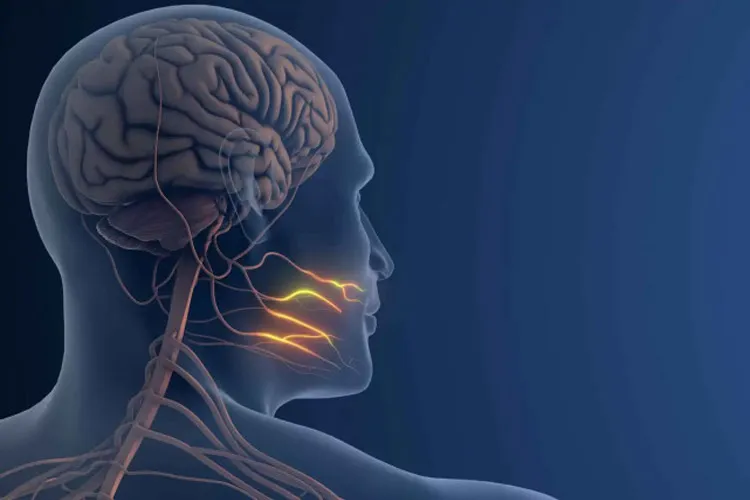
Trigeminal neuralgia (Trigeminal Neuralgia) is one of the chronic neurological disorders characterized by severe and sudden attacks of facial pain. This pain is usually felt on one side of the face and can be so intense that it makes simple daily activities difficult for the person.
According to ITNA quoting the Mayo Clinic, this disease affects the trigeminal nerve; the nerve responsible for transmitting sensory messages from the face to the brain. The trigeminal nerve is made up of three branches and covers areas including the cheek, jaw, teeth, gums, lips, and eyes.
Although trigeminal neuralgia can cause very severe pain, medical advances in recent years have given physicians various options to control the disease and reduce pain.
Sudden, electric shock–like pain
The most important sign of trigeminal neuralgia is attacks of severe, sharp, stabbing pain. This pain usually starts suddenly and can last from a few seconds to a few minutes. In some people, pain attacks are also accompanied by spasms or contractions of the facial muscles.
Pain episodes may continue for several days, weeks, or even months and then be followed by pain-free periods. However, in many cases, the intensity and frequency of attacks increase over time.
One notable feature of this disease is that pain usually occurs less often during sleep, but very simple daily activities can trigger the start of an attack.
What can trigger the pain?
For some sufferers, the trigger for a pain attack can be very simple and even unexpected. Contact with the face, shaving, using powder, eating and drinking, brushing teeth, talking, and smiling are among the activities that may trigger pain.
Even exposing the face to a gentle breeze can, in some people, cause the onset of an attack. This issue leads some patients to limit their normal daily activities to avoid pain.
The three main causes of trigeminal neuralgia
Physicians classify trigeminal neuralgia into three main groups based on its cause.
Classic neuralgia:
The most common type of the disease occurs when a blood vessel, either an artery or a vein, presses on a nerve at the base of the brain. This pressure can affect the function of the nerve and cause severe pain attacks.
Secondary neuralgia:
This type of disease arises as a result of another underlying disease or problem. Multiple sclerosis or MS is one of the factors that can play a role in causing trigeminal neuralgia. In MS, the protective myelin sheath around nerves is damaged.
Tumors, nerve damage from surgery, stroke, and facial injuries are other factors that can be associated with secondary neuralgia.
Neuralgia of unknown origin:
Sometimes medical tests cannot find a definite cause for the pain. In such cases, the disease is classified as neuralgia of unknown origin.
Who is more at risk for this disease?
Based on medical research, the likelihood of developing trigeminal neuralgia is higher in women and people over 50 years old. Certain diseases and conditions can also be associated with an increased likelihood of developing this disorder.
People with MS, high blood pressure, or migraines are among the groups more at risk for this disease.
Given the severity of the pain and its potential impact on daily life, recognizing the symptoms is very important. Severe, intermittent facial pains that occur as sudden attacks, especially if triggered by simple activities such as talking, eating, brushing teeth, or touching the face, may require medical evaluation.
When should you see a doctor?
Experts recommend that people who experience severe and frequent facial pain attacks or persistent pain that is not relieved by common painkillers consult with a medical team to assess their condition.
Diagnosing the cause of the pain can be the first step in choosing an appropriate treatment method. Since trigeminal neuralgia may be caused by different factors, identifying the underlying cause can be important in determining the treatment path.
Ultimately, although trigeminal neuralgia can be one of the most painful neurological disorders and affect a person's daily life, available treatment options can help control the disease and reduce pain. Consulting a doctor when unusual or severe facial pain attacks are observed enables early diagnosis and management of this disorder.