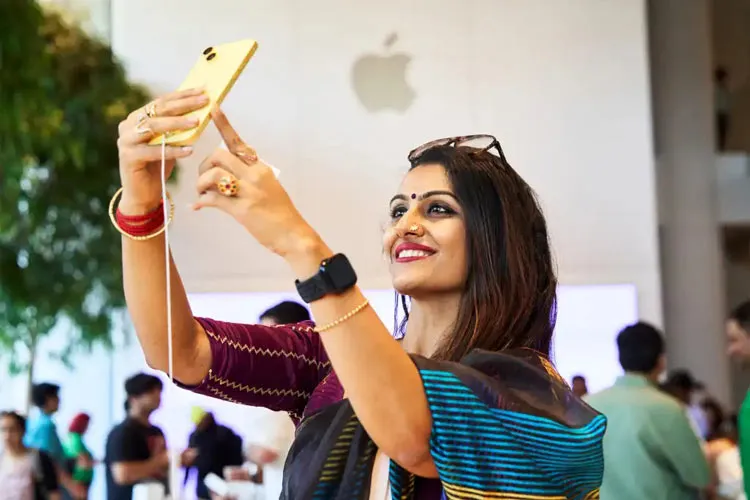
Since Friday, when sales of the iPhone 18 Pro and iPhone 18 Pro Max began in India, quick-commerce platforms Blinkit, Zepto, Swiggy Instamart and BigBasket - previously known mainly for delivering groceries and everyday items within minutes - have added these new phones to their list of immediately deliverable products. This did not mean abandoning traditional sales channels; the new iPhones remain available to buyers through Apple’s official stores, authorized retailers and online marketplaces.
Geographic coverage and special offers
According to reports published in Indian media, Blinkit is offering delivery of these phones in ten major Indian cities including Delhi-NCR, Mumbai, Bengaluru, Hyderabad, Chennai, Pune, Kolkata, Ahmedabad, Jaipur and Lucknow, while Zepto has limited its operations to Delhi-NCR, Mumbai, Bengaluru and Chennai. Swiggy Instamart is also active in these cities, although inventory and delivery times have been reported to vary by area.
To make purchases more attractive, these platforms have offered discounts of up to seven thousand rupees via credit cards from banks such as Axis Bank, ICICI Bank and SBI, along with no-cost EMI options for up to six months. The base price of the iPhone 18 Pro with 256GB in India has been reported at approximately 1,064,900 rupees (roughly $1,950), and the 2TB model exceeds three million rupees. The iPhone 18 Pro Max starts at 1,079,900 rupees for the base version. Both models are offered in four colors: burgundy, glacier (icy), silver and black.
Enthusiastic reception in the early hours
Signs of strong demand were evident from the very first hours of sale. According to TechCrunch, BigBasket delivered more than 300 units of the iPhone 18 Pro and Pro Max in just the first hour of sales; a figure that, given sales began at 8 a.m., means delivering more than five units per minute. The supply process was handled through Apple-authorized sellers, Unicorn and Imagine companies, whose inventory was fed directly into Blinkit’s network of dark stores.
Swiggy Instamart also said it received the highest volume of quick orders for the iPhone 18 Pro series from Bengaluru, with Delhi ranking second. Interestingly, the iPhone 18 Pro 256GB in burgundy was the best-selling option on that platform, accounting for nearly one-third of the app’s total Pro-series sales.
However, this widespread enthusiasm was quickly met with inventory constraints. Only a few hours after sales began, iPhone 18 Pro models in some areas covered by quick-commerce platforms were sold out, although ordering remained possible in cities like Delhi and Bengaluru.
Is this a sustainable trend or merely a promotional stunt?
Industry experts see this experience as a positive sign of quick commerce’s capacity to enter the market for expensive goods, but are cautious about its sustainability as a primary sales channel. Tarun Patak, head of research at Counterpoint Research, described the ability to accept orders for high-end smartphones as a “proof of concept” and said the key question is whether demand driven by launch-day excitement can turn into a regular, sustained purchasing pattern.
According to TechCrunch, Navkendar Singh, vice president at research firm IDC, believes India holds a special global position in providing ultra-fast delivery services, and consumers in large cities who have grown accustomed to using these platforms daily for routine purchases now trust them for more expensive buys as well. He said formal collaborations between major brands and these platforms have also helped boost that trust. Nevertheless, Singh warned that quick commerce has not yet become a significant sales channel for smartphones and that its main role in offering products like the iPhone is more about marketing and generating media hype than a structural change in the retail market.
Rapid growth of quick commerce in India
This episode comes amid rapid growth in India’s quick-commerce sector. According to a recent report by Redseer Strategy Consultants, the sector reached a value close to $9 billion in the first half of 2026, and its monthly active users have grown from about 8 million three years ago to more than 60 million now. Separate estimates from Google and consulting firm Deloitte also indicate this market could reach $50 billion by 2030, with non-food items including electronics, fashion and beauty products accounting for about 45 percent of that spending.
These figures show platforms that were once known mainly for delivering bread and milk are now seriously competing for a share of the luxury and high-priced goods market; a trend that, if sustained, could redefine the conventional notion of “premium retail” in emerging markets.